Subscribe to AI in Action, your guide to AI transformation >

Case Study: AI at Unbound Academy
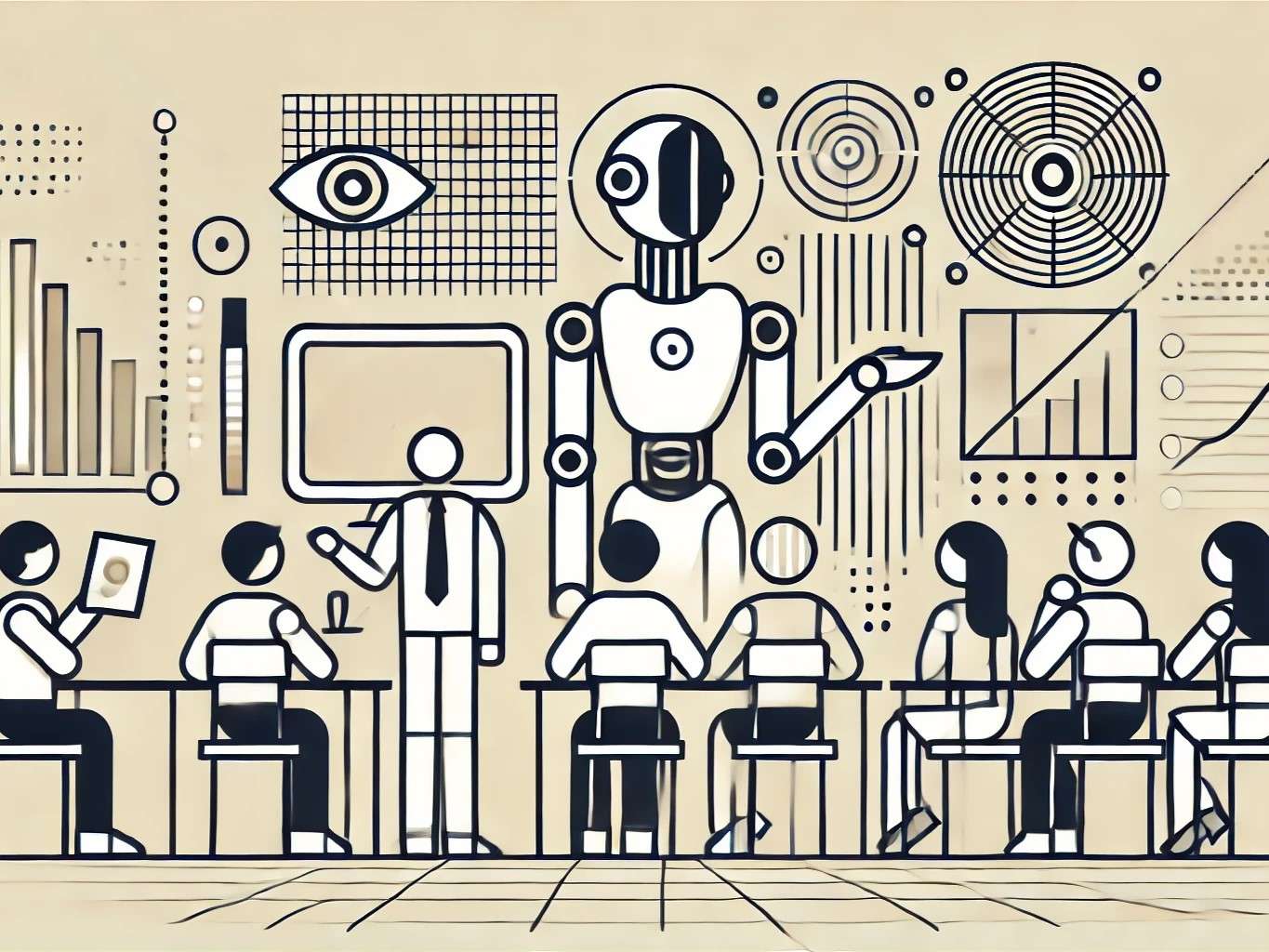
Unbound Academy, an innovative online charter school in Arizona, is set to redefine the educational landscape by adopting a model where artificial intelligence (AI) takes the lead in academic instruction. With a focus on hyper-personalized learning and life-skills development, this institution targets students in grades 4 through 8. By leveraging AI-driven adaptive technologies and reducing academic instruction to just two hours a day, Unbound Academy offers a bold alternative to traditional education models.
Key Takeaways
- AI adapts to individual learning paces, tailoring content in real-time to each student’s strengths and weaknesses.
- Core subjects are taught in a two-hour daily window, freeing up time for life-skills workshops.
- Human guides replace traditional teachers, focusing on motivation, emotional support, and personalized coaching.
- The school leverages proven AI platforms like IXL and Khan Academy, ensuring consistency and scalability.
- Afternoon workshops develop critical skills such as financial literacy, entrepreneurship, and teamwork.
Approach
The educational philosophy at Unbound Academy revolves around maximizing efficiency in academic instruction while emphasizing real-world skills. Drawing inspiration from a model previously piloted in private schools in Texas and Florida, the school employs AI-driven adaptive learning platforms that continuously analyze student performance and adjust instruction accordingly. Human guides replace traditional teachers, focusing on providing motivation, emotional support, and targeted interventions. Students follow personalized learning journeys, progressing at their own pace as the AI customizes content to match their abilities. Data-driven insights from AI platforms allow for precise and effective adjustments to the curriculum.
Implementation
Unbound Academy’s AI-based model integrates technology, curriculum design, human resources, and student engagement into a cohesive system. Established platforms such as IXL and Khan Academy form the backbone of the technology, supplemented by proprietary AI tutors that monitor learning in real-time. The curriculum design includes two-hour academic sessions focused on core subjects like math, reading, and science, followed by life-skills workshops in the afternoons. Guides are carefully recruited and trained to engage students, monitor progress, and lead workshops. Students begin their day with group sessions for motivation and connection and participate in regular one-on-one meetings with guides to address challenges and set goals.
Results
Preliminary outcomes from pilot programs at private schools suggest significant benefits of this model. Students reportedly learn twice as much in half the time, achieving increased academic efficiency. Adaptive learning systems maintain student interest by matching content difficulty to their capabilities. Afternoon workshops enhance engagement and help develop essential life skills, equipping students for real-world challenges. The reliance on proven AI platforms ensures consistency and scalability, indicating the model’s potential for broader adoption.
Challenges and Barriers
Despite its promise, Unbound Academy’s model faces skepticism from educators concerned about replacing traditional teachers and losing the mentorship they provide. AI limitations, such as inaccuracies and hallucinations, pose risks to learning outcomes. Equity issues also arise, as not all students may have equal access to technology and resources. Regulatory hurdles must be navigated to align this innovative approach with educational standards. Additionally, AI lacks the emotional nuance required to fully replicate the empathy and understanding provided by human educators.
Future Outlook
Unbound Academy’s model marks a significant step in integrating AI into education, with plans to expand its offerings to include kindergarten through third grade. The future may bring enhanced AI capabilities for nuanced emotional and academic support, further scaling the model to other public and private institutions. Continuous improvement will be driven by data insights, refining methodologies and addressing gaps. Collaboration with families and local organizations can help create a holistic educational experience. As the school evolves, it has the potential to transform educational outcomes and equity, making it a compelling example of reimagining education.
To get the latest AI transformation case studies straight to your inbox, subscribe to AI in Action by AIX — your weekly newsletter dedicated to the exploration of AI adoption in business.
Elevate your understanding of AI transformation. Browse AI adoption case studies searchable by company, industry, use case, and technology.
Sources:
Arizona’s getting an online charter school taught entirely by AI
This School Will Have Artificial Intelligence Teach Kids
AI educators are coming to this school – and it’s part of a trend
A New School Will Teach Children Using AI Instead of Human Teachers
Let’s talk
Whether you’re looking for expert guidance on AI transformation or want to share your AI knowledge with others, our network is the place for you. Let’s work together to build a brighter future powered by AI.