Subscribe to AI in Action, your guide to AI transformation >

Top 5 AI Trends to Watch in 2025: Ethical AI and Global Regulation
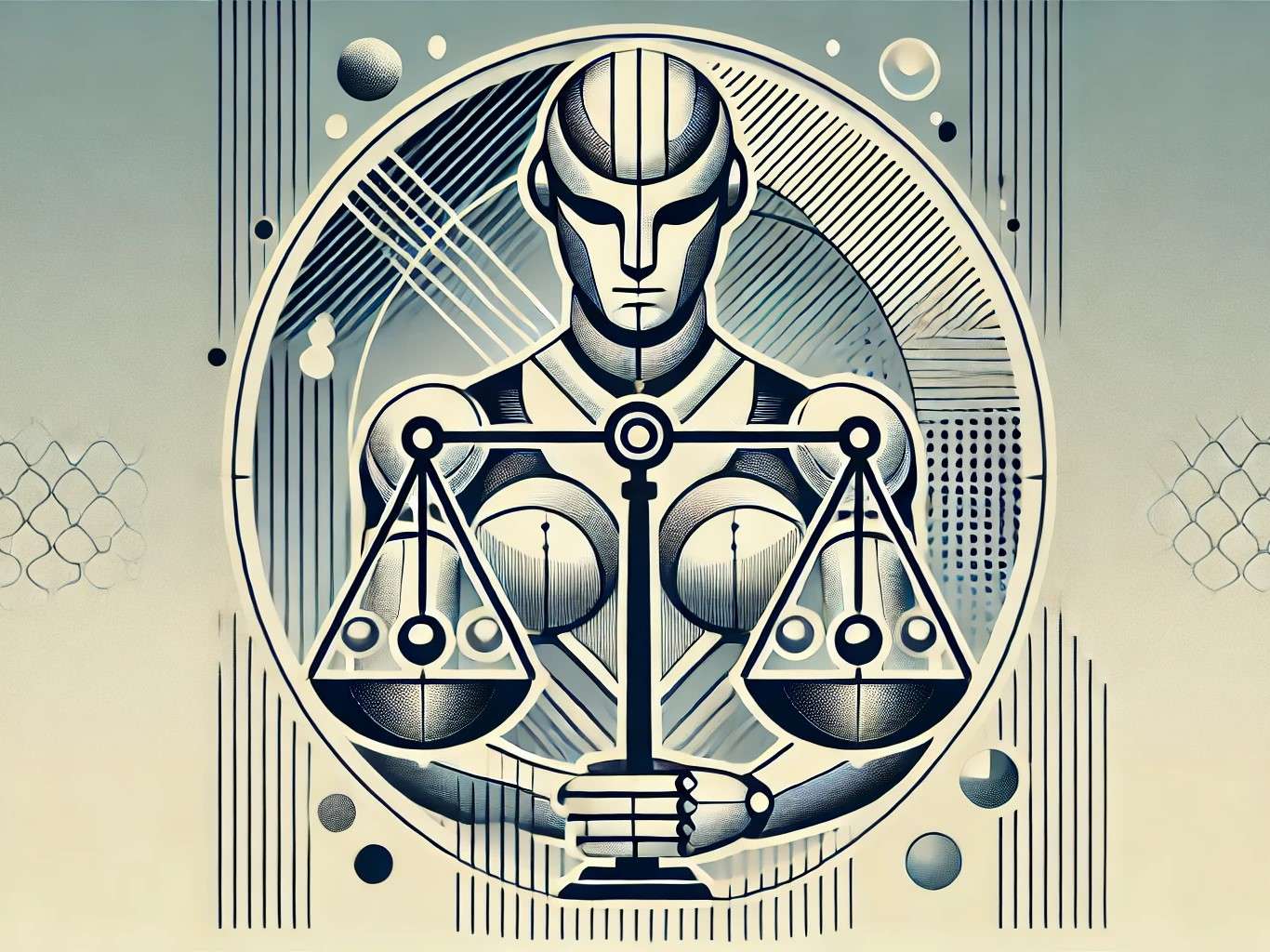
As artificial intelligence (AI) becomes more pervasive, the spotlight on AI ethics is intensifying. Governments, organizations, and industry leaders are actively working to address issues of bias, accountability, sustainability, and human welfare in AI systems. Ethical AI is no longer a choice but a necessity, driven by public demand and regulatory mandates.
Global Frameworks: Toward Unified Standards
Governments and organizations are collaborating to create global frameworks that ensure ethical AI practices across industries and regions.
- United Nations: The UN has initiated efforts to establish global AI governance frameworks. The organization’s “AI for Good” program promotes equitable and inclusive AI development. By 2025, the UN aims to finalize an international treaty on AI ethics, focusing on preventing the misuse of AI and promoting its use for humanitarian purposes.
- European Union: The EU’s AI Act sets comprehensive regulations for high-risk AI applications, including healthcare, transportation, and law enforcement. These regulations mandate transparency, accountability, and bias mitigation in AI systems. By 2025, the EU plans to implement enforcement mechanisms to ensure compliance across member states.
- OECD: The Organisation for Economic Co-operation and Development has developed the “OECD AI Principles,” which emphasize transparency, accountability, and human rights. Member countries are expected to adopt these principles by 2025, creating a unified approach to ethical AI governance.
Bias Mitigation: Ensuring Fairness in AI
Bias in AI systems can perpetuate discrimination and inequality, particularly in critical areas such as hiring, lending, and law enforcement. Companies and organizations are developing tools and methodologies to detect and mitigate biases.
- Google: Google’s “AI Fairness” initiative focuses on identifying and reducing bias in its algorithms. For example, the company has developed tools like “What-If” to analyze machine learning models for potential biases. By 2025, Google plans to integrate bias detection tools into all its AI products.
- IBM: IBM’s Watson OpenScale platform provides explainability and bias monitoring for AI systems. This platform helps organizations understand how AI models make decisions and ensures that those decisions are fair. By 2025, IBM aims to expand these tools to include real-time bias detection for high-stakes applications.
- LAPD: The Los Angeles Police Department (LAPD) is piloting AI systems to analyze crime data. To address concerns about racial bias, the department is collaborating with academic institutions to audit these systems and ensure fairness. By 2025, the LAPD plans to implement transparent AI solutions that meet ethical standards.
Sustainability: Reducing AI’s Environmental Impact
Training large AI models consumes significant energy, raising concerns about the environmental impact of AI. Companies are investing in energy-efficient algorithms and hardware to address this issue.
- Microsoft: Microsoft has pledged to become carbon negative by 2030 and is developing energy-efficient data centers to support AI workloads. The company is also investing in “green AI” initiatives, focusing on algorithms that require less computational power. By 2025, Microsoft plans to reduce the energy consumption of its AI systems by 50%.
- NVIDIA: NVIDIA’s GPUs are widely used for AI training. The company is developing next-generation chips designed to be more energy efficient. NVIDIA’s 2025 roadmap includes launching AI hardware that delivers higher performance while consuming significantly less power.
Human-Centric AI: Aligning with Societal Values
Human-centric AI places human welfare at the core of AI development, ensuring that technologies contribute positively to communities and align with societal values.
- Salesforce: Salesforce’s “Ethical Use of Technology” guidelines emphasize building AI systems that prioritize human well-being. The company’s Einstein AI platform includes features designed to enhance transparency and accountability. By 2025, Salesforce plans to expand its human-centric AI initiatives to include tools for mental health support and community development.
- Philips: Philips uses human-centric AI in its medical devices to improve patient outcomes. For instance, its AI-powered diagnostic tools are designed to assist doctors rather than replace them, ensuring that human expertise remains central. By 2025, Philips plans to develop AI solutions that enhance access to healthcare in underserved regions.
- Khan Academy: Khan Academy’s AI tutor, Khanmigo, exemplifies human-centric AI by providing personalized learning experiences for students. By 2025, Khan Academy aims to integrate AI into global education systems, promoting equitable access to quality education.
The journey toward ethical AI and global regulation is both complex and essential. By addressing issues of bias, sustainability, and human welfare, governments, companies, and organizations are paving the way for a future where AI serves the greater good. As we approach 2025, the focus on ethical AI will continue to grow, shaping the development and deployment of responsible technologies worldwide. The collaboration between stakeholders will be crucial in ensuring that AI remains a force for positive change.
Back to Top 5 AI Trends to Watch in 2025
To get the latest AI transformation case studies straight to your inbox, subscribe to AI in Action by AIX — your weekly newsletter dedicated to the exploration of AI adoption in business.
Elevate your understanding of AI transformation. Browse AI adoption case studies searchable by company, industry, use case, and technology.
Sources:
AI for Good
The EU Artificial Intelligence Act
OECD AI Principles
Playing with AI Fairness
Watson OpenScale
Predictive Policing: Leveraging AI and Machine Learning for Crime Prevention
Carbon Negative by 2030: Microsoft’s Bold Commitment and Progress
Sustainable Strides: How AI and Accelerated Computing Are Driving Energy Efficiency
Ethical & Humane Use of Technology
With human-centered innovation and AI, Philips aims to unburden healthcare
Your AI Tutor: Khanmigo by Khan Academy
Let’s talk
Whether you’re looking for expert guidance on AI transformation or want to share your AI knowledge with others, our network is the place for you. Let’s work together to build a brighter future powered by AI.