Subscribe to AI in Action, your guide to AI transformation >

Case Study: Gerdau Achieves Sustainability and Profitability with AI
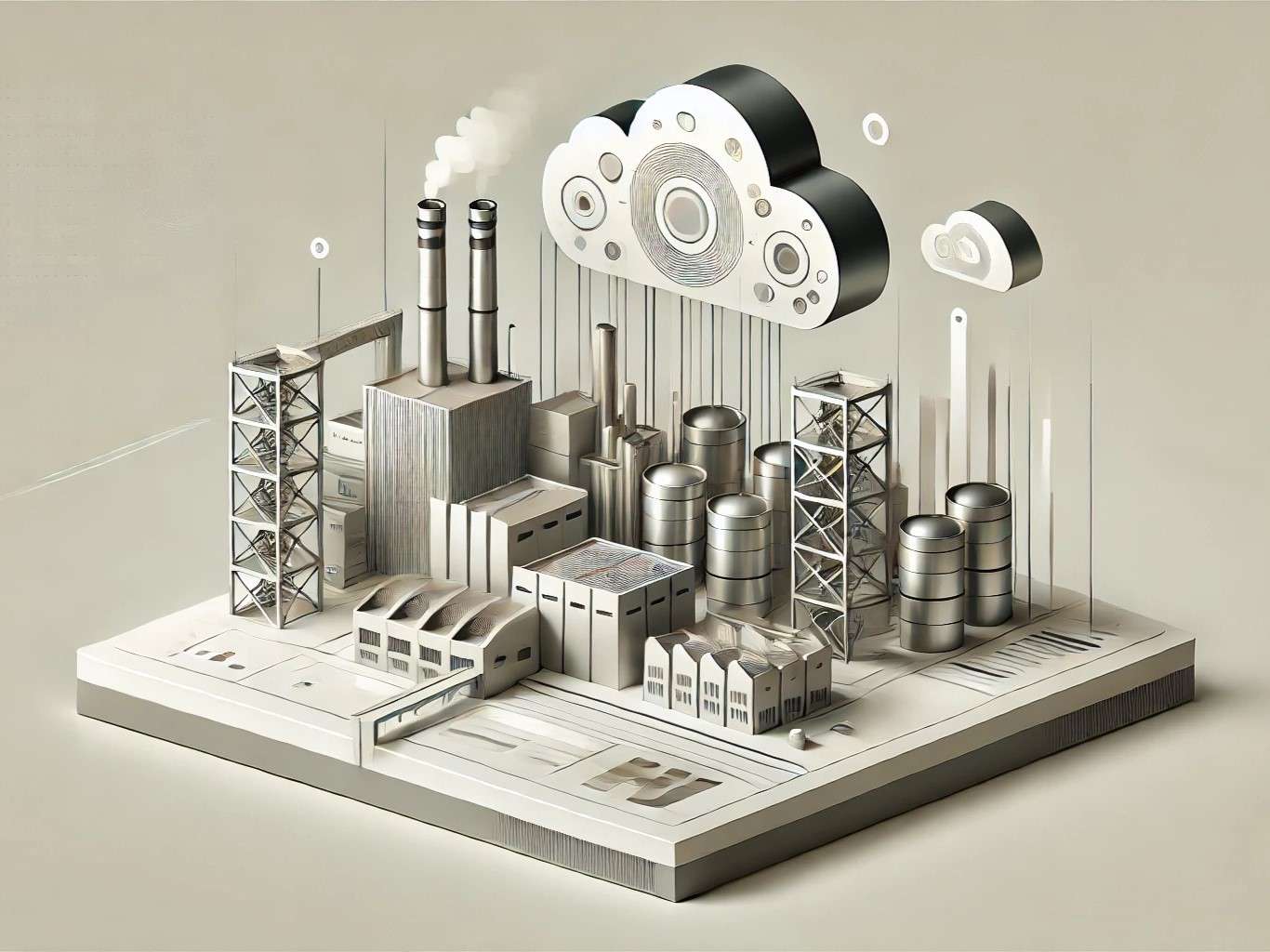
Gerdau, a global leader in steel production, has embarked on a journey to integrate artificial intelligence (AI) into its operations, aiming to enhance profitability while promoting sustainable practices. As a key player in a traditionally resource-intensive industry, Gerdau faced the challenge of reducing raw material usage and improving operational efficiency without compromising product quality. By leveraging AI-driven solutions, Gerdau has been able to significantly cut costs, reduce emissions, and optimize its production processes.
Key Takeaways
- Gerdau utilized AI to reduce alloy costs by $3 per ton of steel, while simultaneously reducing CO2 emissions.
- AI helped optimize Gerdau’s production processes, saving millions of pounds of ferroalloys annually and reducing quality variation by 15%.
- The company employed machine learning (ML) models to analyze complex production data and improve decision-making on the factory floor.
- Gerdau’s sustainability efforts align with its goal to reduce carbon emissions to 0.82 tons of CO2 per ton of steel by 2031.
Approach
Gerdau’s approach to AI implementation focused on two key objectives: reducing material consumption and maintaining high-quality steel production. The company faced significant variability in raw material quality and production conditions. To address this, Gerdau partnered with Fero Labs to implement AI and machine learning solutions capable of analyzing vast amounts of data from its production processes.
Gerdau also embraced a broader data-driven transformation with the support of Databricks, which provided a unified platform to manage their data sources and integrate machine learning across the company’s operations. This approach enabled Gerdau to streamline its data governance, enhance collaboration, and foster innovation.
Implementation
Gerdau’s AI implementation focused on optimizing production processes through the use of machine learning and advanced data integration. The company partnered with Fero Labs to deploy no-code AI software, allowing them to create digital twins of their steel manufacturing processes. These digital twins enabled real-time optimization of alloy usage, providing precise recommendations to operators on the factory floor, thus improving both cost efficiency and sustainability.
Additionally, Gerdau adopted the Databricks Data Intelligence Platform to unify and streamline their data ecosystem, enhancing real-time decision-making and enabling the seamless deployment of predictive analytics across various operations. This integration also supported AI-driven predictive maintenance, where sensor data from machinery was analyzed to predict equipment failures before they occurred, reducing downtimes and improving operational efficiency. These efforts marked a significant step in Gerdau’s broader strategy to integrate AI across their business for both profitability and sustainability.
Results
The integration of AI into Gerdau’s operations delivered significant benefits. The company achieved a reduction of $3 per ton of steel in alloy costs, resulting in substantial annual savings across its production facilities. AI optimization also contributed to a more sustainable operation by conserving over half a million pounds of ferroalloys each year and reducing Gerdau’s overall carbon footprint, aligning with its long-term emissions reduction goals.
Additionally, the use of machine learning to optimize production processes improved quality control, reducing quality variation by 15% and ensuring more consistent output across Gerdau’s diverse product lines. These results demonstrate the successful fusion of profitability and sustainability through AI-driven innovation.
Challenges and Barriers
Despite the success of AI implementation, Gerdau faced several challenges and barriers along the way. Cultural resistance emerged as a key issue, with plant managers and operators initially hesitant to trust AI recommendations, especially given the high stakes of maintaining product quality in steel production.
Additionally, managing the vast and complex production data proved difficult, as Gerdau’s existing homegrown data tools were inefficient and costly to maintain. Transitioning to a unified data platform required a significant overhaul of legacy systems, which had been in place for decades. Ensuring consistent data quality and governance was another critical hurdle that Gerdau needed to address to fully realize the potential of its AI initiatives.
Future Outlook
Gerdau is positioned as a leader in AI-driven digital transformation within the steel industry. Moving forward, the company aims to expand its use of AI beyond production optimization. Plans include leveraging AI for supply chain management, predictive analytics for energy efficiency, and further advancements in digital twin technology.
To get the latest AI transformation case studies straight to your inbox, subscribe to AI in Action by AIX — your weekly newsletter dedicated to the exploration of AI adoption in business.
Elevate your understanding of AI transformation. Browse AI adoption case studies searchable by company, industry, use case, and technology.
Sources:
Convergence of AI, Sustainability in the Manufacturing Sector
How Gerdau Saved $3/Ton of Steel With White-Box Machine Learning
Gerdau uses Databricks to future-proof their steel manufacturing workflows
Working with AI: Q&A with Gerdau’s Luis Lourenzi
Let’s talk
Whether you’re looking for expert guidance on AI transformation or want to share your AI knowledge with others, our network is the place for you. Let’s work together to build a brighter future powered by AI.